Top Benefits of Investing in Commercial Complexes Today
Investing in real estate has always been a cornerstone of wealth creation. However, not all real estate assets are created equal. While residential properties often draw attention from first-time investors and end users, commercial complexes have quietly emerged as one of the most rewarding and resilient investment classes in today’s evolving economic landscape.
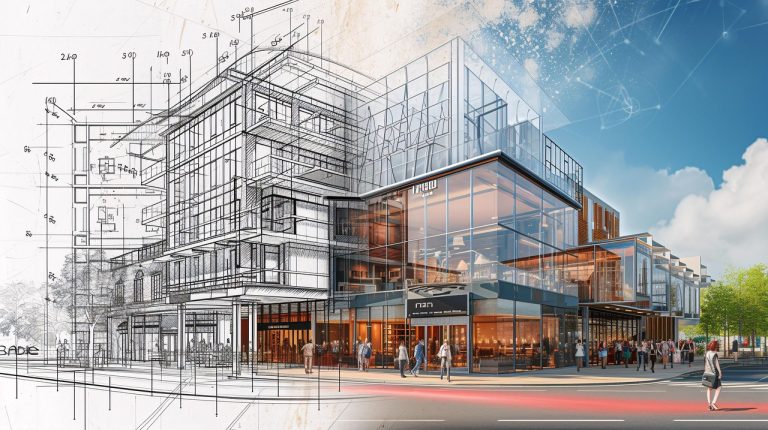
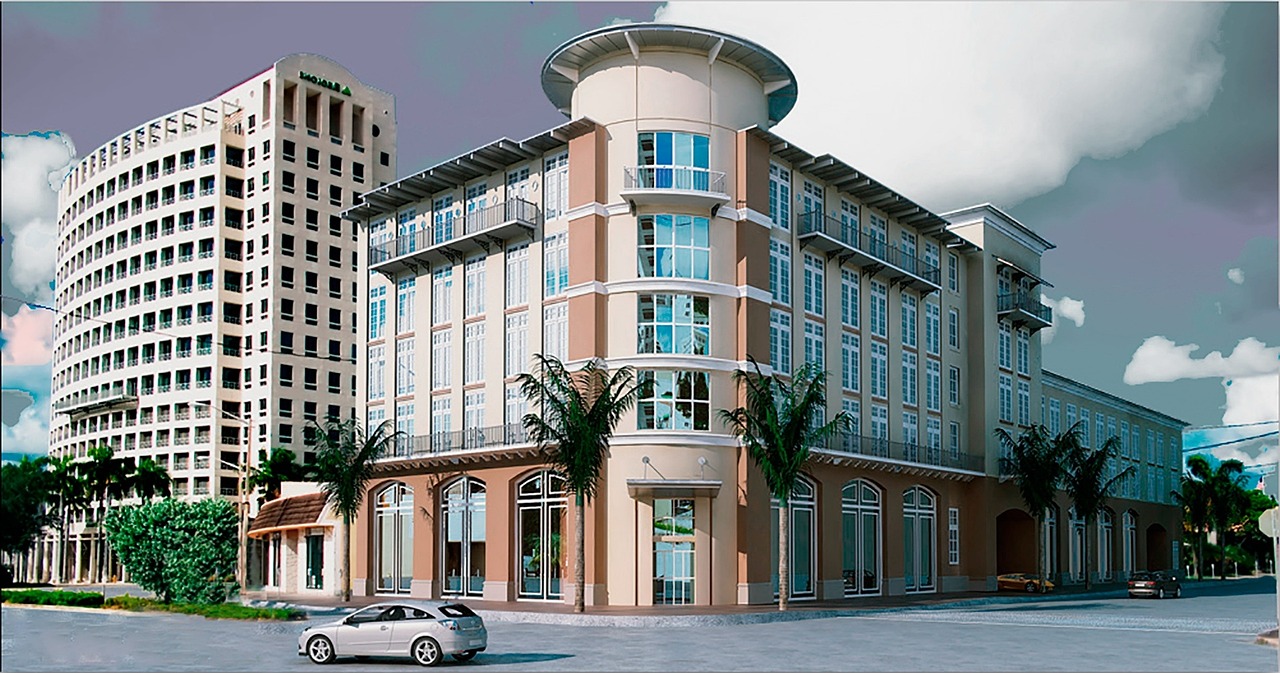
Commercial complexes, such as retail spaces, office buildings, mixed-use developments, and business parks, offer unique advantages that set them apart from residential assets. As brands expand, start-ups thrive, and consumer demand shifts, the value and utility of commercial spaces continue to rise. In this context, forward-thinking investors are increasingly turning their attention to commercial real estate as a strategic means of achieving long-term growth.
In this article, we explore the top benefits of investing in commercial complexes today, helping you understand why this asset class deserves serious consideration.
1. Higher Income Potential and Stronger Cash Flow
One of the most compelling reasons investors choose commercial complexes is the potential for higher income compared to residential properties.
Commercial leases often yield higher rental rates because businesses are willing to pay a premium for strategic locations, space tailored to their needs, and infrastructure that supports operations. Moreover, commercial tenants frequently sign longer lease terms, typically ranging from 3 to 10 years, offering investors stable and predictable cash flow.
Unlike residential tenants, who may frequently change leases or move due to personal circumstances, commercial tenants are more likely to stay long-term if their business is doing well. This translates into less turnover, fewer vacancy concerns, and consistent rent revenue.
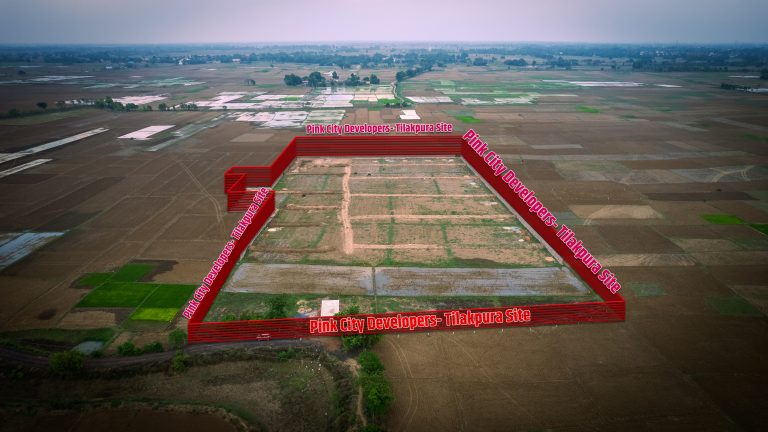
For example, a well-located commercial space developed by a reputed developer like Pinkcity Developers in Patna can attract established brands or thriving local enterprises, which further enhances rental income stability and investment returns.
2. Appreciation and Long-Term Value Growth
While cash flow is a key driver, commercial real estate also has strong capital appreciation potential.
Commercial property values are influenced by broader market trends such as business expansion, employment growth, and infrastructure development. In cities and towns experiencing rapid urbanisation, such as Patna in Bihar, the demand for quality commercial space is rising. This demand drives land values and property prices upward over time.
Unlike residential properties, which are mostly affected by local buyer sentiments, commercial complexes benefit from business growth trends on regional and national levels. As more companies open offices, retail outlets, or distribution hubs in an area, the commercial real estate market strengthens, leading to significant long-term capital gains.
3. Diverse Tenant Mix Reduces Risk
Commercial complexes often house multiple tenants from different industries retail stores, corporate offices, cafes, medical clinics, service centres, and more. This diversification reduces investment risk.
In residential properties, income typically comes from one or a few tenants. If a tenant leaves, the investor might experience a sudden halt in rental income. On the other hand, commercial complexes with multiple tenants can absorb vacancies more easily. If one tenant vacates, the impact on overall revenue is cushioned by the income from others.
For investors, this means reduced vulnerability to income loss and smoother cash flow even during economic slowdowns.
4. Lease Structures Favour Investors
Commercial lease agreements are distinctly different from residential leases. They often include terms such as:
- Triple Net (NNN) leases, where tenants are responsible for property taxes, insurance, and maintenance, reduce the owner’s costs.
- Escalation clauses, which increase rent periodically in line with inflation or market trends.
- Longer contract durations provide stability for both landlord and tenant.
These lease structures are designed to benefit the property owner, offering clear financial forecasts and greater operational control. Lower landlord responsibilities, combined with built-in rent increases, can significantly improve net returns over time.
5. Hedge Against Inflation
Inflation is a persistent concern for long-term investors. It erodes the purchasing power of money over time, reducing returns on traditional savings and fixed-income instruments. However, real estate, particularly commercial property, serves as a powerful hedge against inflation.
As inflation rises, so do rental rates and property values. Commercial lease agreements often include clauses that automatically increase rent periodically to align with inflation. This means that investors are protected against rising costs while still benefiting from increased income.
Unlike financial assets that may lose value in inflationary environments, commercial real estate tends to maintain and often increase its real value.
6. Tangible and Secure Asset Class
Commercial complexes are tangible assets with inherent value properties you can see, sell, lease, or improve. In times of market uncertainty or financial volatility, having a physical asset provides psychological and financial security.
Investors can improve, renovate, or reposition commercial properties to increase value. Strategic upgrades like modern facades, sustainable infrastructure, or digital connectivity can significantly enhance rental demand and market pricing.
Investing with established players such as Pinkcity Developers in Patna gives buyers confidence in construction quality, location strategy, and long-term management support.
7. Tax Advantages and Depreciation Benefits
Commercial real estate comes with various tax benefits. Investors can often deduct expenses related to property management, insurance, mortgage interest, and even depreciation, which allows them to write off a significant portion of the property’s value over time for tax purposes.
These deductions can reduce taxable income, improve net cash flow, and increase overall investment efficiency. Businesses using commercial spaces may also benefit from additional tax incentives or exemptions depending on local regulations and policies.
8. Strategic Urban Growth and Demand Trends
Economic developments and urban planning trends are shaping the future of commercial real estate.
Cities like Patna, which are becoming hubs for education, services, technology, and trade, are witnessing increased demand for commercial infrastructure. This includes office complexes, retail hubs, co-working spaces, and mixed-use developments.
Investing in well-planned commercial complexes ensures that your property aligns with future growth corridors, transit access, and consumer foot traffic patterns. This strategic positioning enhances both rental and resale value.
9. Flexibility and Portfolio Diversification
Smart investors know the importance of diversification. Commercial real estate offers an excellent way to diversify your investment portfolio, balancing equities, fixed income, and residential real estate with an asset class that behaves differently under economic cycles.
Moreover, commercial complexes offer flexibility. Depending on zoning laws and market demand, properties can be re-purposed or repositioned. An office block can partly become a co-working space. A retail unit can transform into a service centre. This adaptability increases long-term viability and returns.
10. Community Impact and Legacy Value
Commercial complexes often become community landmarks, centres where people work, shop, dine, and interact. Investors in commercial real estate contribute to local employment, urban vibrancy, and economic development.
When you invest in quality developments like those by Pinkcity Developers in Patna, you aren’t just earning returns; you’re participating in the rapid growth of local infrastructure, creating value not only for yourself but for communities at large.
Conclusion
In a world where financial markets fluctuate and traditional investment returns are under pressure, commercial real estate stands out as a resilient, high-potential asset class. With higher income potential, long-term value appreciation, lease advantages, and inflation protection, investing in commercial complexes today is not just intelligent, it’s strategic.
Whether you are a seasoned investor or exploring real estate for the first time, commercial properties offer a blend of security, income, and growth that is hard to match. Align with trusted developers, analyse market trends, and position your investment in high-demand locations to maximise returns.
For those looking to invest in commercial real estate in Patna, partnering with reputable names like Pinkcity Developers in Patna can make all the difference by providing quality spaces that attract premium tenants and deliver sustainable returns.
Frequently Asked Questions (FAQs)
1. What is a commercial complex?
A commercial complex is a property or group of properties primarily used for business purposes, such as offices, retail shops, warehouses, service centres, and mixed-use spaces.
2. How does investing in commercial real estate differ from residential property investment?
Commercial real estate typically offers higher rental income, longer leases, and stronger appreciation potential, whereas residential properties often have shorter leases and lower rental rates.
3. Are commercial properties good for long-term investment?
Yes. With stable lease structures, rising demand in urban areas, and inflation protection, commercial properties are well-suited for long-term wealth creation.
4. What are the tax benefits of investing in commercial complexes?
Investors may benefit from deductions on mortgage interest, property expenses, insurance, and depreciation, which can lower taxable income and increase net returns.
5. Is investing in commercial complexes risky?
Like all investments, commercial real estate carries risks such as vacancies, market downturns, and tenant turnover, but diversification, strong location selection, and professional management significantly reduce these risks over time.